Featured
The Is It Worthwhile of Professional Debt Counseling Diaries
Your Introduction to Debt Counseling and What to Ask Thin...
The Benefits and Cons When Considering Should I Pay Credit Cards or Taxes First? Your Complete Debt Priority Guide : APFSC - The Facts
Table of Contents
While new credit history can assist you reconstruct, it is necessary to space out your applications. If you have a member of the family or close friend with stellar debt, take into consideration asking to include you as an accredited individual on among their credit rating cards. If they do it, the complete background of the account will certainly be included in your credit rating records.
Prior to you consider debt settlement or insolvency, it's vital to understand the potential advantages and disadvantages and how they might apply to your circumstance. Both alternatives can lower or remove large sections of unsafe financial debt, aiding you avoid years of uncontrollable settlements.
If you're not sure that debt settlement or insolvency is best for you, here are a few other debt relief options to take into consideration. The right means will rely on your circumstance and objectives. If you have some versatility with your budget plan, below are some sped up debt repayment choices you can go after: Begin by providing your financial debts from the smallest to the biggest equilibrium.
Technology Makes Financial Help More Accessible Can Be Fun For Everyone
The counselor discusses with creditors to lower rate of interest, waive late costs, and create a convenient monthly settlement. You make one consolidated repayment to the firm, which after that pays your economic institutions. While a DMP does not decrease the primary balance, it assists you pay off financial obligation much faster and a lot more affordably, normally within 3 to 5 years.
While you can bargain with financial institutions on your own, it's frequently a complicated and time-consuming process, particularly if you require to deal with a big quantity of debt across a number of accounts. The procedure calls for a solid understanding of your finances and the creditor's terms in addition to self-confidence and determination. Consequently, there are debt alleviation business likewise referred to as financial obligation negotiation firms that can manage the settlements for you.
Individuals who enroll in the red relief programs have, typically, about $28,000 of unsecured financial obligation across nearly 7 accounts, according to an analysis commissioned by the American Association for Financial Debt Resolution, which considered customers of 10 significant financial debt relief firms in between 2011 and 2020. About three-quarters of those clients had at the very least one financial debt account effectively resolved, with the common enrollee working out 3.8 accounts and more than fifty percent of their enlisted debt.
It prevails for your credit report to fall when you initially start the financial debt alleviation process, especially if you stop paying to your creditors. As each financial obligation is cleared up, your credit report need to begin to rebound. Make certain you recognize the overall expenses and the effect on your credit report when examining if financial obligation settlement is the appropriate selection.
The Of "Debt Forgiveness Is Embarrassing" Corrected
As pointed out above, there are choices to financial debt settlement that might be a much better fit for your economic situation. Below's a fast malfunction of how each choice functions: Financial debt loan consolidation allows you integrate numerous financial debts right into one by obtaining a new lending to pay off your current financial obligations. This strategy turns several financial obligations into a single regular monthly settlement and typically offers a lower rates of interest, simplifying your financial resources and potentially saving you money with time.
Below's how every one jobs: Debt loan consolidation financings: These are personal car loans that you can make use of to resolve your existing debts, leaving you with simply one regular monthly bill, commonly at a lower rates of interest. Equilibrium transfer charge card: This involves moving your existing bank card equilibriums to a brand-new debt card that provides a reduced rate of interest price or a marketing 0% APR for a collection period.
As soon as the duration finishes, rate of interest will certainly be significantly high commonly over 20%. Home equity finances or HELOCs (home equity lines of credit scores): These lendings allow you to borrow versus the equity in your house. You obtain a round figure or a line of debt that can be made use of to repay financial obligations, and you usually gain from reduced rate of interest compared to unsecured loans.
9 Easy Facts About "Should I Pay Credit Cards or Taxes First? Your Complete Debt Priority Guide : APFSC Destroys Your Credit" and More Lies Explained
These plans have numerous advantages, such as simplifying your settlements by settling several right into one and potentially decreasing your rate of interest. They usually come with a setup charge varying from $30 to $50, and a regular monthly upkeep charge of around $20 to $75, depending on the firm you function with.
Having a great deal of financial obligation can be overwhelming, yet it's still vital to put in the time to take into consideration the details of different remedies so you comprehend any possible dangers. The most effective financial obligation plan for you depends upon your financial scenario. If you're battling with your bills but still have not missed out on any settlements, a debt monitoring strategy may be an excellent fit particularly if you don't want your credit report to storage tank.
Whichever your situation is, think about speaking with a qualified credit report counselor, an insolvency attorney, or a licensed financial debt specialist prior to progressing. They can assist you get a complete understanding of your finances and options so you're better prepared to choose. An additional aspect that influences your choices is the kind of financial obligation you have.
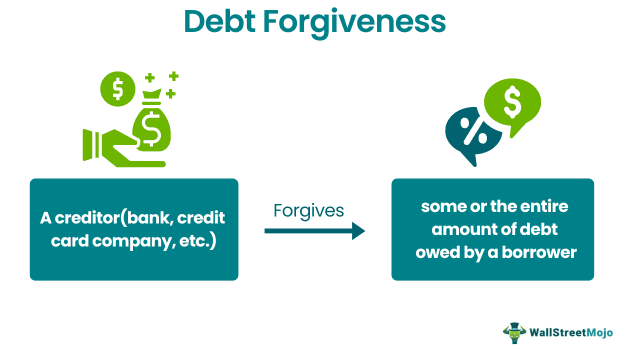
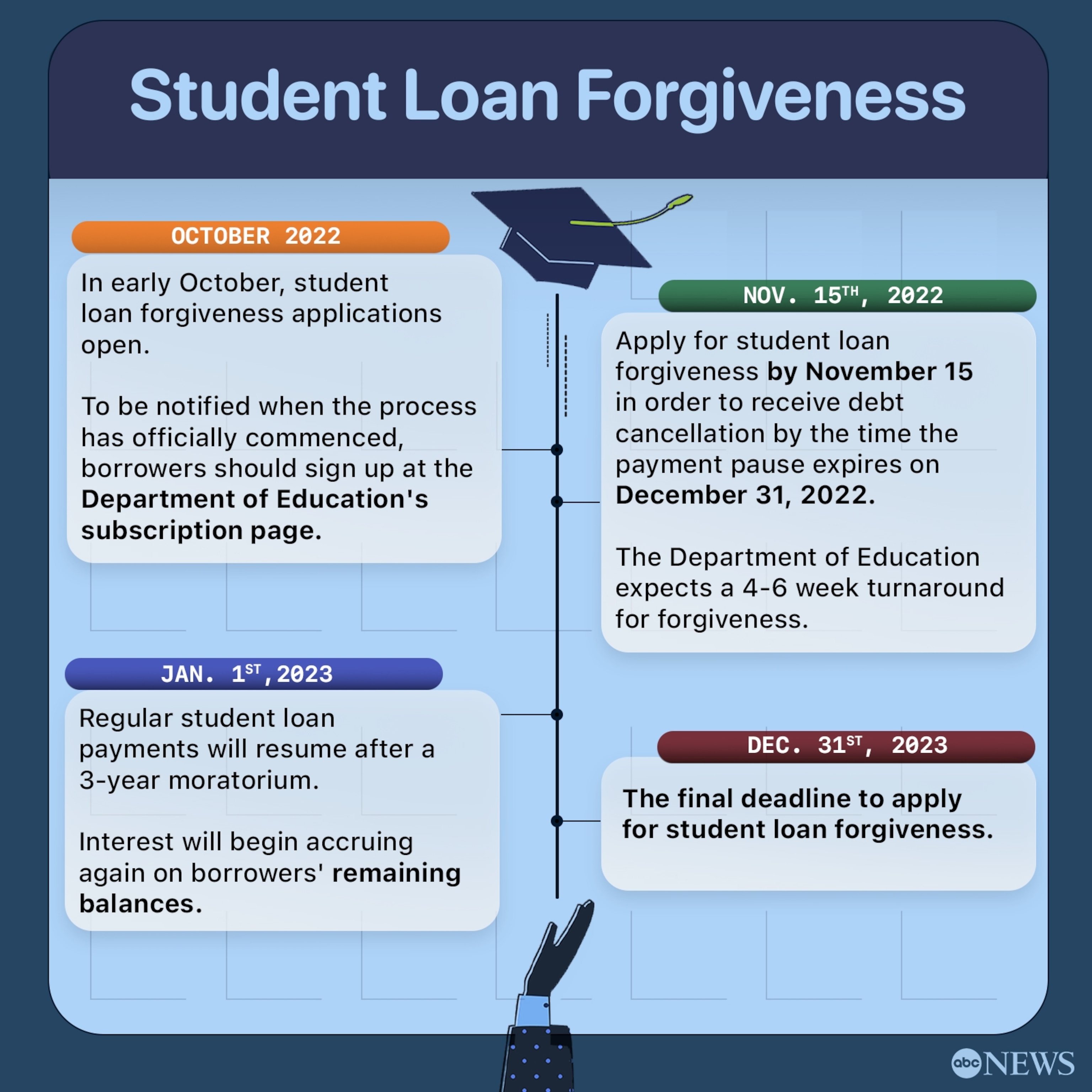
It is necessary to recognize that a discharge stands out from financial debt mercy, and financial obligation does not obtain "forgiven" with an insolvency filing. Our West Hand Coastline bankruptcy attorneys can explain in even more information. Generally, "financial debt forgiveness" refers to a scenario in which a financial institution does not believe it can accumulate the sum total of the financial debt owed from a borrower, and either stops trying to accumulate or accepts forgive an amount less than what the debtor owed as part of a financial obligation negotiation agreement.
The Definitive Guide to Maintaining a Healthy Financial Plan That Protects You

When this occurs, the financial debt will be thought about "terminated" by the IRS, and the borrower will typically obtain a cancellation of debt form the quantity of debt forgiven is taxable. In a bankruptcy instance, financial debt is not forgiven by a creditor. Instead, it is discharged by the insolvency court, and discharge has a different significance from financial debt forgiveness.

Table of Contents
Latest Posts
The Is It Worthwhile of Professional Debt Counseling Diaries

How Assessing Bankruptcy Counseling Organizations to Select the Ideal Match can Save You Time, Stress, and Money.

Your Introduction to Debt Counseling and What to Ask Things To Know Before You Get This
More
Latest Posts
The Is It Worthwhile of Professional Debt Counseling Diaries
How Assessing Bankruptcy Counseling Organizations to Select the Ideal Match can Save You Time, Stress, and Money.
Your Introduction to Debt Counseling and What to Ask Things To Know Before You Get This